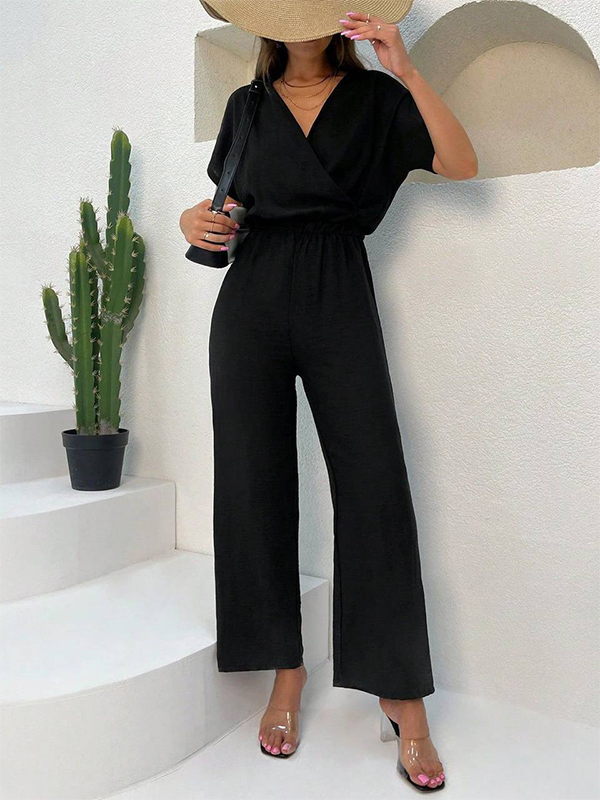
overall have become popular because they combine comfort, practicality, and modern appeal. With their nostalgic feel, distinctive way of wearing, and unique appearance, they have secured a special place in the world of fashion.
The Story of Overalls
Originally, overalls were designed as workwear for laborers and farmers. They were made to protect the clothing underneath from dirt, tearing, and environmental damage.
These garments always featured large, multiple pockets for carrying tools or essentials. Their loose, free design and the ability to cover almost the entire body with a single piece made them especially practical for workers and farmers.
Throughout the 19th century, overalls were recognized as a symbol of the working class and were widely referred to as “work clothes.” Gradually, with the rise of counterculture and hippie movements in the 1960s and 1970s, casual and free clothing became popular, and fashion designers reintroduced bib overalls with new designs.
Entry into Global Fashion
By the 1980s and 1990s, many brands began producing overalls for rebellious youth and hip-hop fans. Over time, they evolved into a streetwear staple, embraced by celebrities and cultural icons.
Although no single brand or designer can be credited with making overall a fashion trend, companies like Levi’s and Lee played a major role in redesigning and introducing them to the fashion world. Both brands had roots in workwear and adapted overalls into modern versions for everyday wear. Eventually, other major fashion houses followed, producing them in diverse colors, cuts, and fabrics, turning overalls into a beloved item in casual style.
Today, overalls are no longer just workwear. They appear in street outfits, casual looks, and even seasonal collections. They are produced in denim, cotton, colorful fabrics, oversized or fitted cuts, and continue to gain visual appeal with time.
Differences Between Early and Modern Overalls
The most important difference lies in their function: once exclusively worn by workers and farmers, overalls are now considered a fashion item and streetwear essential.
In the past, they were typically made from heavy denim or dark cotton fabrics. Modern versions, however, use a wide range of textiles, colors, and patterns. Early designs were simple and undecorated, while today’s overalls feature decorative pockets, adjustable straps, and printed details.
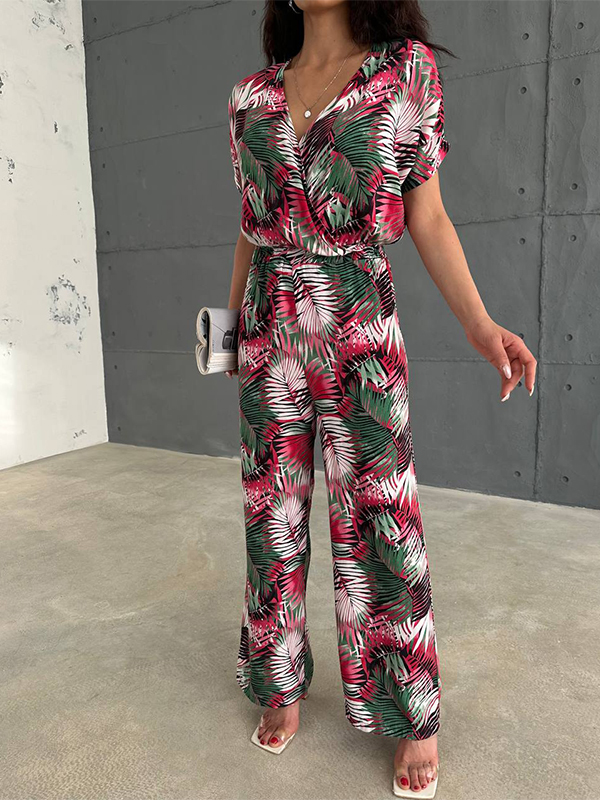
Modern tailoring also introduces new elements such as zippers, colorful buttons, and cropped designs, adding variety and style.
Why Overall Remain Trendy Every Season
One key reason is the fashion industry’s ongoing fascination with reinterpreting classic items. As mentioned earlier, overalls once symbolized youth and freedom in hip-hop and street culture concepts that remain central to contemporary fashion.
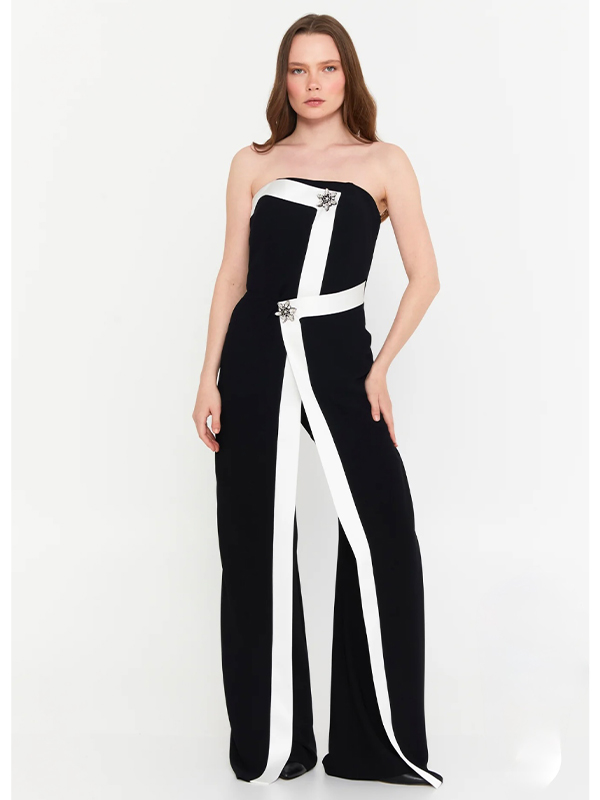
Another factor is their unisex appeal and durability. Overalls are often made from sturdy denim or cotton, ensuring longevity and practicality.
Conclusion
overalls are not tied to a single brand or designer. Instead, they are deeply connected to social movements and cultural shifts. Their journey from workwear to fashion statement reflects the evolving relationship between clothing, identity, and society.
